Microphone Selection Starts With the Room and the Performance
A microphone does not hear only the sound you wanted to record.
Start reading ↓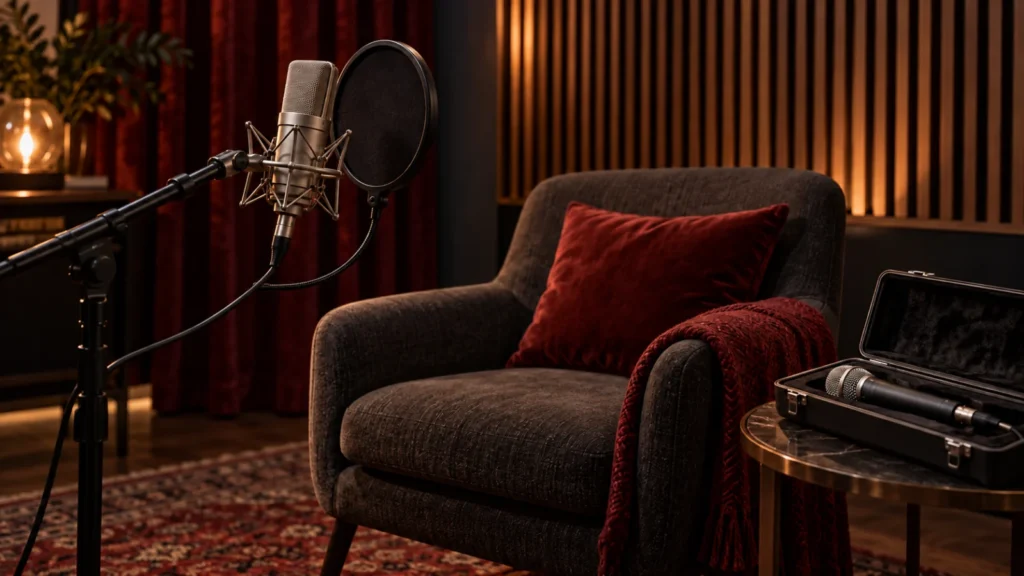
In this guide
A microphone does not hear only the sound you wanted to record. It also captures the performance's distance, room reflections and background noise. That makes microphone selection a relationship between a source, a space and a recording method. A famous model cannot substitute for a quiet recording environment or a performer who feels comfortable. This guide offers a comparison method rather than claims about equipment we have tested.
Describe the source before the microphone
Write down the likely volume, movement and working distance of the source. A seated narrator, a singer who moves between phrases and a drum kit present different practical demands. Note whether the microphone must stay out of a video frame or tolerate being used away from a dedicated studio.
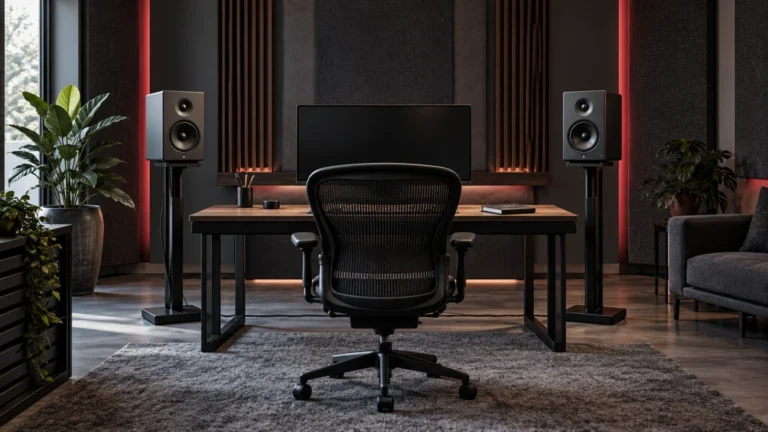
Then identify the room's limitations. Listen without headphones first: ventilation, traffic, computer fans and reflective surfaces may be more important than the microphone's tonal reputation. A directional microphone changes sensitivity with direction; it does not create silence around the desired source. Positioning remains part of the decision.
Separate operating principle from suitability
Dynamic and condenser describe broad transducer categories, not automatic quality rankings. Sensitivity, polar pattern, intended working distance, maximum level handling and the required preamp gain all matter. A microphone with a relatively low output may require more gain for a quiet speaker, while a louder source changes that requirement.
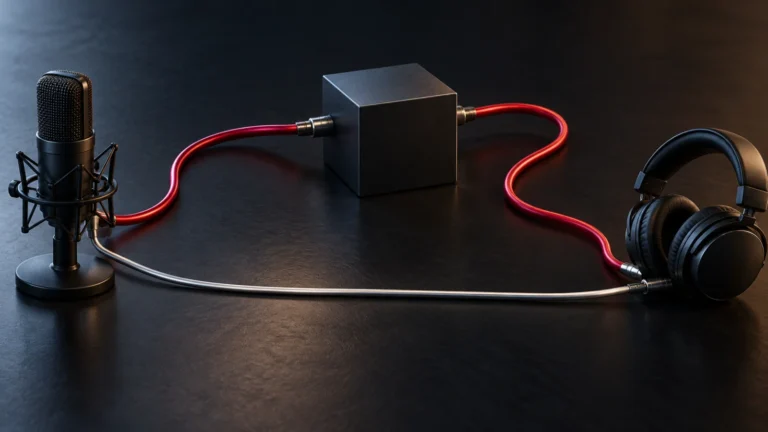
Check power needs in the actual manual. Many condenser microphones use phantom power, but requirements differ. Microphones with built-in electronics, active accessories or vintage wiring deserve particular attention. Do not assume two devices with the same connector have the same electrical requirements. Reduce monitoring levels before changing connections.
Build a fair comparison
If you can audition equipment, record the same passage at repeatable positions. Match playback loudness before comparing tone; a louder recording can seem more impressive without being more useful. Evaluate consonants, breath, low-frequency changes with distance and the amount of room sound. Keep the unprocessed recordings so a plugin chain does not disguise the source.
Do not ask which microphone sounds best in isolation. Ask which gives a manageable recording in the finished context. An intimate spoken introduction may need intelligibility and a restrained room sound; a layered arrangement may require a different balance. Document any processing used during the comparison.
Budget for the complete setup
A stable stand, suitable cable and appropriate pop protection can affect a session more than a small difference between published specifications. Headphone spill and desk vibration also deserve attention. Avoid buying elaborate accessories before identifying the problem they solve.
For a first purchase, define a practical success condition: a clear recording at the normal performance distance with adequate level and no distracting environmental problem. If that condition cannot be met, reconsider the room or recording arrangement before buying a more expensive microphone. Key takeaway: the right microphone is the one that works with your source and workflow, not the one with the most recognizable silhouette.
Sources & further reading
Source review: October 29, 2026. This is a researched educational feature, not an interview or a claim of firsthand testing. Legal, health and business decisions require context-appropriate professional guidance.